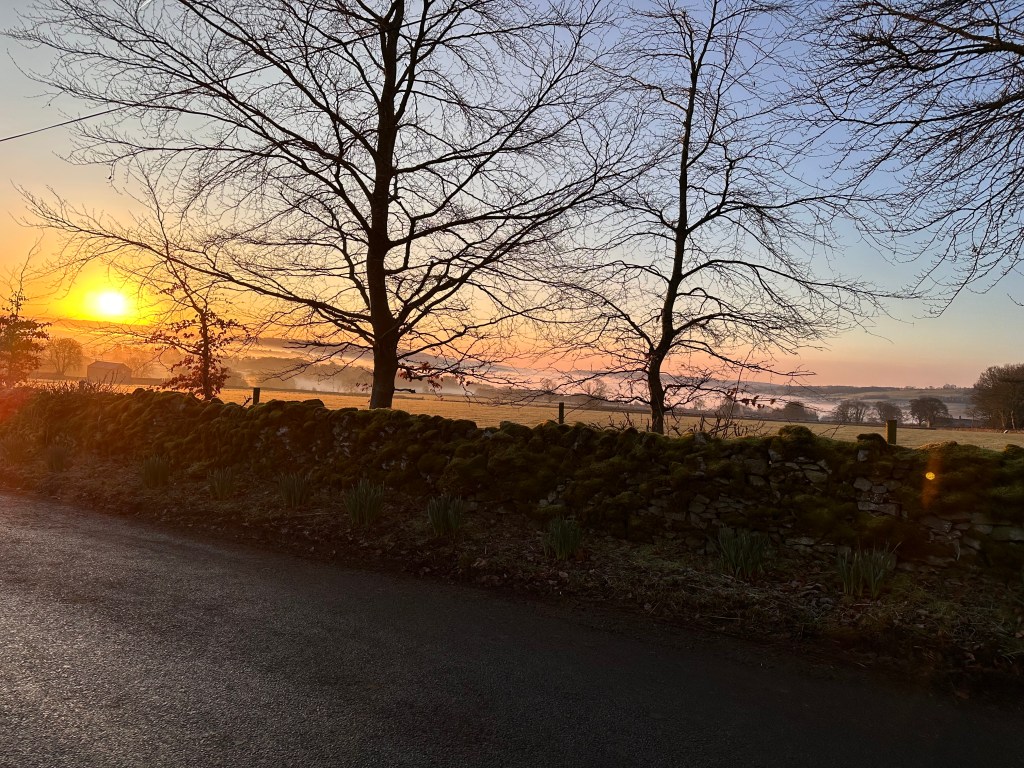
For a while now, I’ve been trying to define what matters most in this new chapter of life. After burnout, career shifts, and a slow walk back to health, I’ve realised my biggest goals no longer involve achievement in the traditional sense. These days, one of the boldest visions I can imagine is to be simpler and quieter: to create a sanctuary in nature.
Not a retreat from life, but a return to it.
I don’t just want a rural home I want a place that brings life. A home surrounded by nature, where the pace is gentler and the rhythms deeper. A place that’s calm, beautiful, and decluttered, where we can grow a few vegetables, listen to the soothing sounds of nature, and share a pot of coffee with a friends and neighbours. A place that helps us and others breathe again.
V – Vision
To live in a calm, life-affirming rural home immersed in nature. A place of beauty, simplicity, and spiritual renewal. A sanctuary where we can grow some of our own food, live in tune with the seasons, and create space to rest, reflect, and welcome others.
V – Values (What matters most in this BHAG)
- Simplicity over clutter
- Beauty and quality over quantity
- Nature, rhythm, and seasonal living
- Hospitality and gentle community
- Stewardship of creation
- Peace, quiet, and time for reflection
- Rootedness in place and purpose
M – Methods (How we’ll get there)
- Discern and Decide on the Right Rural Location
- Explore places in and around the Peak District that align with our values: natural beauty, strong community, biking trails, garden space and close to church.
- Research housing markets, visit potential areas, and pray through creative solutions if prices feel prohibitive.
- Consider renting or transitional steps to get into the right area even if it’s not the “forever home” yet.
- Simplify and Declutter the Home
- Create peaceful, uncluttered spaces that invites calm, order, and joy.
- Let go of unnecessary possessions and embrace intentional minimalism.
- Develop the Garden as a Space of Nourishment & Rest
- Begin small: raised beds, herbs, fruit bushes.
- Incorporate spaces for sitting, outdoor meals, reading, and watching the seasons unfold.
- Use Natural and Sustainable Materials
- Choose wood, stone, natural fabrics or repurposed materials wherever possible.
- Invest in quality items that last and are aesthetically beautiful. Things that will bring joy.
- Establish Daily and Weekly Rhythms
- Spend intentional time outdoors daily.
- Set aside regular time for gardening, DIY, or creative reflection.
- Invite Others into the Space
- Host friends and family for meals, bike rides or just to chill and be.
- Use the sanctuary to quietly bless others on their journey toward simplicity, faith, or healing.
O – Obstacles (What might get in the way?)
- Finding the Right Property: The ideal home may be financially out of reach or rare in our preferred location of the Peak District. May require compromise or creative solutions.
- Budget Constraints: Ethical, sustainable materials and renovations can be expensive.
- Over-accumulation: It’s easy to unintentionally fill a peaceful space with too much stuff.
- Time Conflicts: Competing demands from other BHAGs, family, or church life may limit progress.
- Physical Limitations or Weather: Health, energy, or harsh seasons may slow outdoor plans.
- Loss of Momentum: Motivation may dip once the initial novelty wears off.
- Learning curve: Time to taken to gain knowledge of growing food and adjusting to rural life. Feelings of have we done the right thing
M – Measures (How we’ll know it’s working)
- We are living in (or have moved to) a rural home that aligns with our values.
- Our home feels calm, uncluttered, beautiful, and peaceful to us and others.
- We are regularly growing some of our own food, even on a small scale.
- We spend time outdoors daily, and the space invites rest and reflection.
- Others have been welcomed into the space and found it life-giving.
- We feel more rooted in place and aligned with God’s natural rhythms.
This may not be a flashy goal. But to me, it feels bold, necessary, and deeply rooted. It’s central to the vision for life that’s slower, but also one that is more alive.
And in this noisy world, maybe building a sanctuary is the most radical thing we can do.
Finally – one area that did take a while to hammer out was defining my Values, that inner compass which I could use to ensure that all ideas / plans / actions were meaningful and focused on what truly matters to me. The next blog (Not Sure What You Value Most? This Will Help) will introduce to the tools and process I went through to define what truly mattered to me.
 Great2Live
Leave a comment